Written in Manchester, read anywhere One write-up posted every Thursday No scores, no rankings, no league tables
Xilarevoku emblem: an open book forming a directional pad Xilarevoku Games, written slowly

Issue posted 30 July 2026

Somebody has to sit with a game after the excitement wears off

Xilarevoku is a five-person writing room working out of a converted print shop on Hilton Street. We publish one long write-up a week about a computer game, and we only publish it once the person writing has stopped being surprised by the thing they are describing.

Minimum ten hours logged Bought, borrowed or lent Two readers before posting
Read this week's write-up
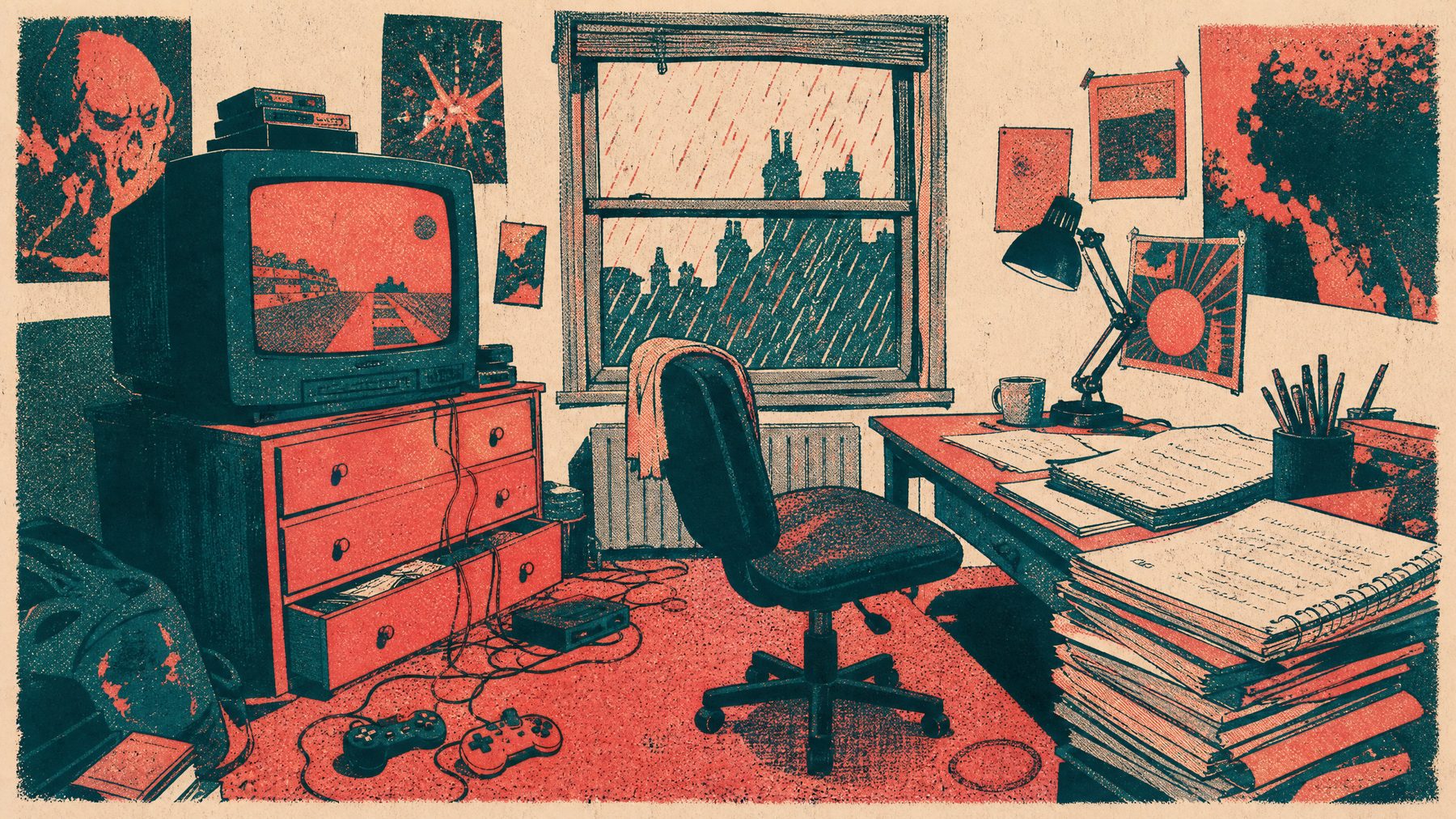
Illustration of an upstairs room converted into a games writing space, with a television, notebooks and rain at the window
The back room on Hilton Street, drawn by our own hand

What this is

Four strands, rotating. A tactics piece, then something narrative, then a puzzle box, then a survival game — and round again. It means we cover less ground than a news desk, and it means nobody here has to pretend enthusiasm for a genre they have no ear for.

What this is not

We do not run a shop, a marketplace, a giveaway or an affiliate arrangement of any kind. Nothing on this site can be bought and no price appears anywhere in our writing. If a publisher lends us a copy, the write-up says so in its opening line.

Recently posted

Four write-ups from the last month

Each one carries the same three closing notes rather than a score: what the game is actually asking of you, who we think will get on with it, and the one thing we would warn a friend about before they start.

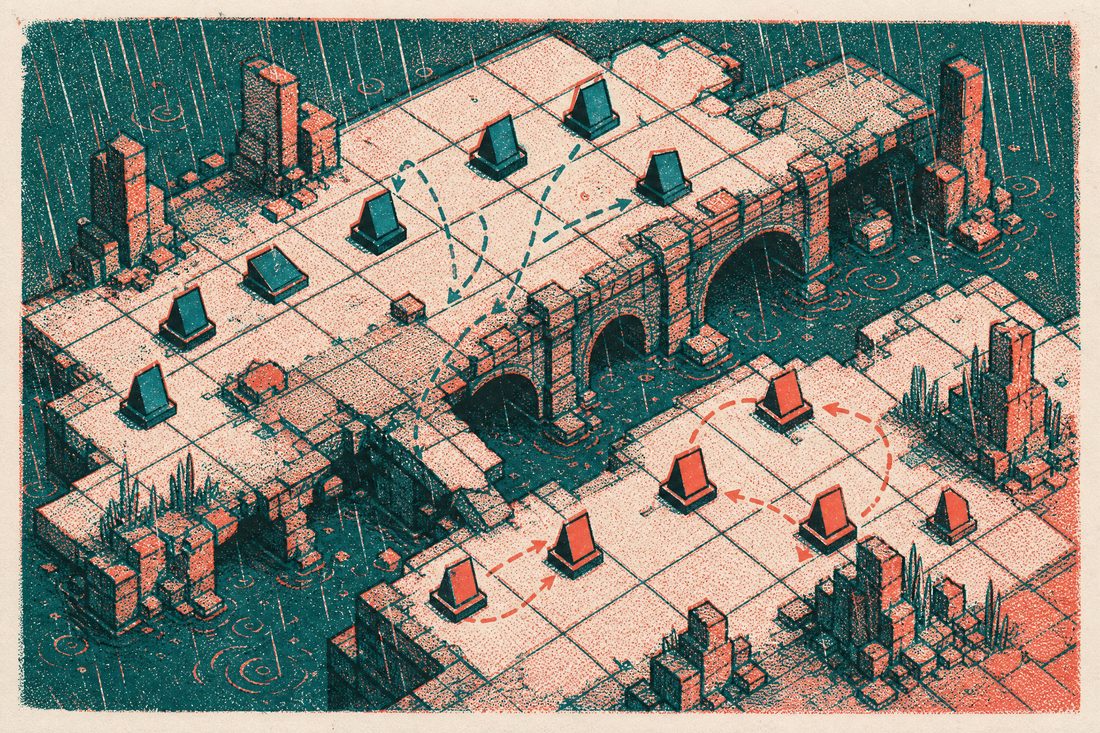
Illustration of a tactical skirmish grid over a rain-soaked ruined bridge

A skirmish game that finally lets you refuse the fight

Most turn-based games treat withdrawal as a punishment. This one builds an entire campaign layer around it: the map remembers the bridges you never crossed, and the third act reads differently depending on which fights you talked your way out of. The tutorial buries this so thoroughly that our first ten hours were spent playing the wrong game entirely.

Once the pattern clicks it becomes hard to go back to anything more obedient. It also becomes clear how much the interface is fighting its own best idea, which is the part of the write-up that took longest to be fair about.

Asks of you
Patience through a genuinely poor opening four hours.
Warn a friend
Save-scumming defeats the campaign layer entirely. Resist it.
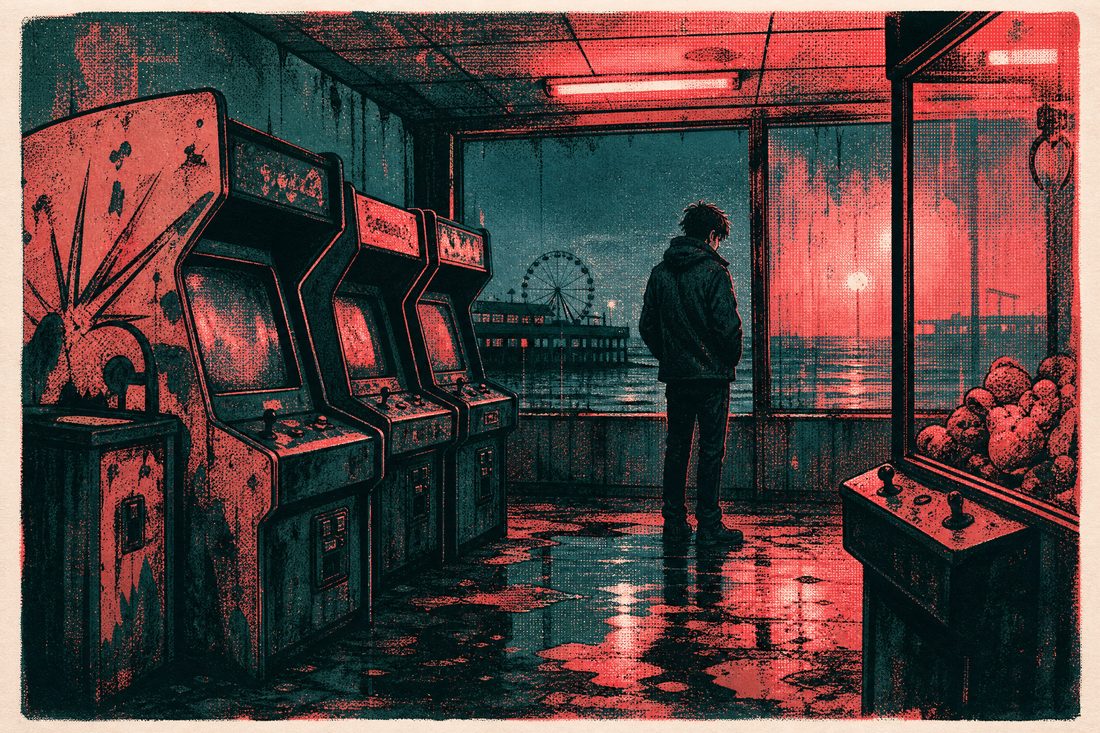
Illustration of a rundown seaside amusement arcade at night with a lone figure

Set in a coastal town that behaves like a real one

The setting is a decaying pier town out of season, and the writing has the good sense to let most of it stay boring. Conversations circle. People repeat themselves. A shop shuts and stays shut. It is the first game in a while that felt like it had been observed rather than researched.

Where it strains is the final hour, which reaches for a revelation the preceding twelve hours had already made unnecessary. We spent two rounds of edits arguing about whether that ruins the whole thing. It does not, but the argument is in the piece.

Asks of you
Tolerance for long walks with nothing at the end of them.
Warn a friend
Subtitles are small and cannot be resized. A real barrier for some.
Illustration of an interlocking mechanism of pipes, cogs and sliding panels

Ninety rooms, and the ninetieth explains the first

A mechanism game that withholds its central rule until roughly the halfway mark, then invites you to revisit everything you thought you had solved. We have seen that structure before. What is unusual here is that the early rooms remain solvable by ordinary reasoning, so the reveal feels like a widening rather than a trick played on you.

Marta finished it twice to check that claim held up on a second pass, which is why this write-up ran a week late. It holds up.

Asks of you
Willingness to keep paper notes. The in-game journal is not enough.
Warn a friend
One late room relies on colour separation with no alternative cue.
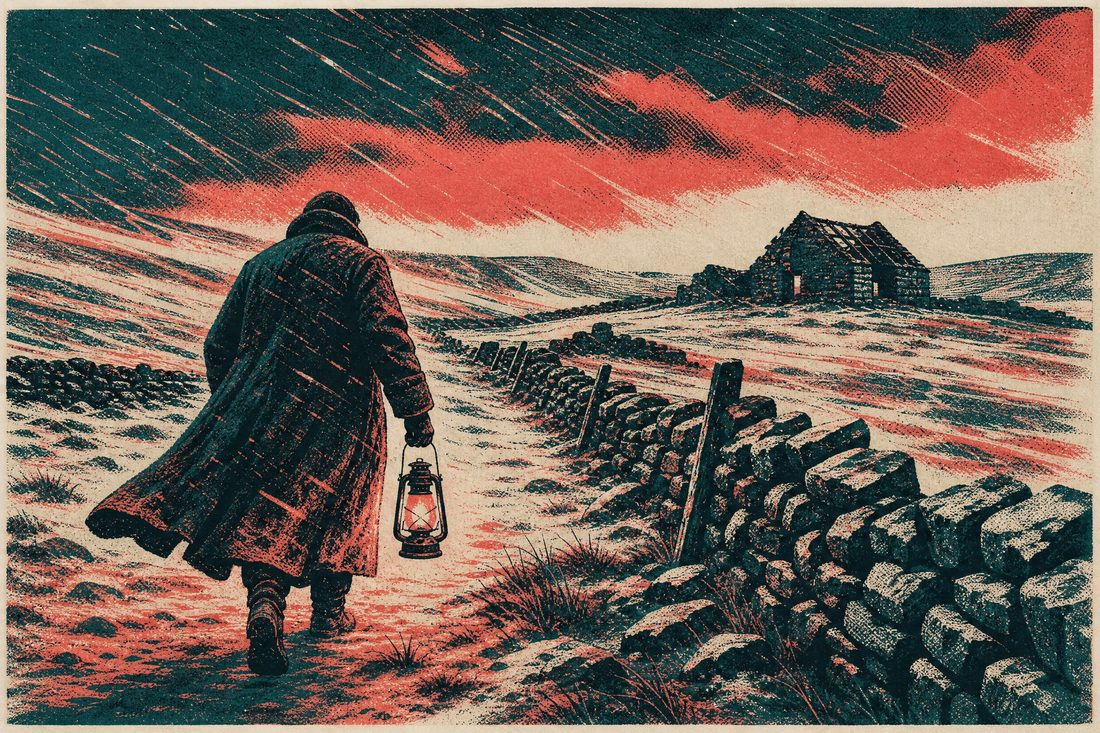
Illustration of a lone figure crossing a bleak upland moor in sleet carrying a lantern

Weather as an antagonist, handled without melodrama

Forty-one hours in and the thing still hinges on whether you can read cloud cover correctly at dusk. There is no combat. The failure state is simply arriving somewhere too late, and the game is unusually careful about making that legible before it happens rather than after.

It is also punishingly slow to start and offers no explanation for its own systems, which will lose a lot of people in the first evening. The write-up tries to be honest about who this is genuinely for.

Asks of you
Two or three evenings before it becomes anything at all.
Warn a friend
No pause during travel. Awkward if you are interrupted often.

Every write-up in the archive

“We deleted the score out of ten in our second month. Nobody missed it, and the writing got roughly twice as long overnight.”

Marta Kowalczyk, on the room's only real editorial decision

How a write-up gets made

Five steps, and none of them can be skipped

This is the whole process. It is deliberately slow, and it is the reason we post once a week rather than daily.

Somebody claims the strand

Strands rotate on a fixed cycle. Whoever has the strand that week chooses the game, and nobody else gets a veto — only the right to argue in the margins later.

Ten hours minimum, logged honestly

Ten is the floor, not the target. The hour count appears at the top of every write-up, and if the writer stopped early the piece says why rather than pretending otherwise.

Notes before opinions

The first draft is a description with no judgements in it at all. It sounds like a tedious exercise and it is, but it catches the difference between a game being bad and a game being unfamiliar.

Two people read it and disagree

Every draft goes to two other contributors. Where they disagree with the writer, the disagreement stays visible in the finished piece rather than being smoothed away.

Accessibility notes are checked last

Text size, colour reliance, remappable controls, pause behaviour, subtitle options. We check these against the shipped build, not the press notes, and we list what is missing.

The four strands in full

The Friday round-up

One plain-text message a week, nothing else in it

A short note on Fridays: what went up, what we are playing next, and any correction we have had to make. No tracking pixels, no attachments, no partners. Leaving takes one line of reply.

Or write to us properly

We read everything that arrives and answer most of it within a fortnight. Corrections get published on the letters page with the date they came in, whether or not they make us look careless.

If you think a write-up got something factually wrong, that is the most useful letter you can send. If you simply disagree with the conclusion, send that too — we print those as well.

Open the letters page

This site keeps two small values in your browser's local storage: whether you have dismissed this notice, and a private count of pages you have opened. Neither leaves your device and there is no analytics service behind them. The cookie policy lists both in full.